

In an increasingly interconnected world, international politics shapes the lives of people across the globe. From trade agreements to diplomatic relations, the decisions made by leaders can have far-reaching consequences. Staying informed about these developments is essential for understanding the dynamics that influence global stability and prosperity.
As events unfold on the international stage, they often spark debates and discussions that resonate far beyond borders. Whether it’s a summit between world leaders or a grassroots movement challenging government policies, the news in international politics reveals the complexities of human interaction on a grand scale. This article delves into the latest trends and news in international politics, providing insights that matter for anyone keen on understanding the forces that drive our world today.
Overview of International Politics News
International politics news encompasses current events, policies, and diplomatic relations that shape global interactions. It provides insights into key developments such as treaties, conflicts, and shifting alliances. Understanding these news stories aids in comprehending their implications on international trade, security, and human rights.
Key Trends in International Politics
- Geopolitical Tensions: Heightened tensions exist in regions such as Eastern Europe and the South China Sea due to territorial disputes and military posturing.
- Trade Agreements: New trade agreements, like the USMCA and RCEP, modify trade dynamics between nations, impacting global markets.
- Climate Policies: Countries form coalitions to address climate change, negotiating carbon reduction commitments and sustainability practices.
- Human Rights Issues: International politics frequently addresses human rights violations, affecting diplomatic relations and foreign aid.
- Technological Warfare: Cybersecurity threats challenge nations, compelling governments to enhance defenses against digital espionage and attacks.
Current Events & Impacts
Recent international political events, such as peace negotiations in conflict zones or elections impacting governance, directly influence global stability. Noteworthy examples include:
| Event | Region | Impact |
|---|---|---|
| Ukraine Conflict | Eastern Europe | Increased NATO presence and economic sanctions |
| Israel-Palestine Tensions | Middle East | Ongoing conflicts affecting regional security |
| China-Taiwan Relations | East Asia | Rising military drills influencing foreign policies |
Following these developments allows for a better grasp of international relations and their consequences. Engaging with credible news sources ensures awareness of these significant changes and helps navigate the complexities of international politics.
Key Developments in Global Affairs
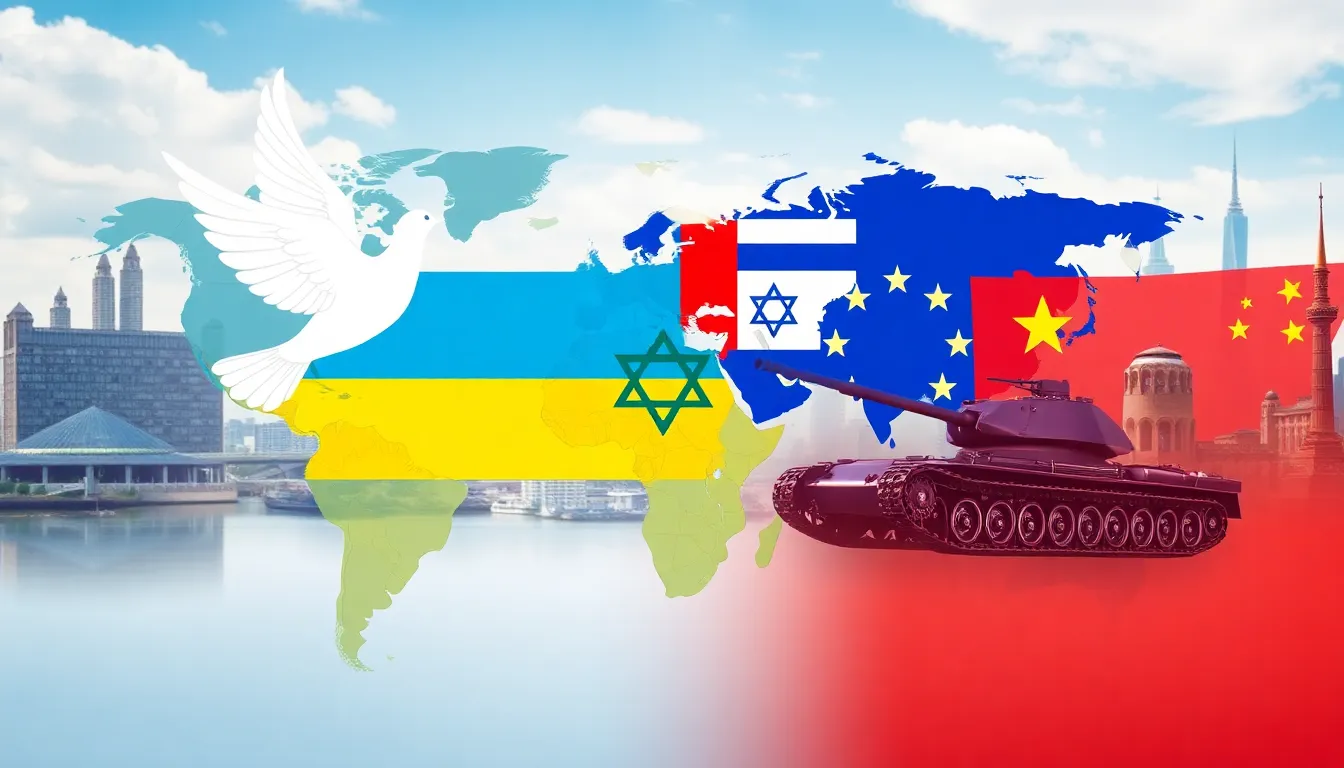
Key developments in global affairs reveal the dynamic landscape of international politics. Significant events shape ongoing negotiations, alliances, and power struggles.
Regional Conflicts
Regional conflicts continue to escalate, affecting global stability.
- Ukraine Conflict: The war in Ukraine has resulted in NATO’s increased military presence, with member countries expanding their support for Ukrainian defense. Defense spending in Eastern Europe rose by 10% in 2023, reflecting heightened security concerns.
- Middle East Tensions: The Israel-Palestine conflict persists, affecting diplomatic relations in the region. Israeli airstrikes in Gaza and ongoing violence have led to a humanitarian crisis, prompting international calls for ceasefires and renewed negotiations.
- China-Taiwan Relations: Rising military drills by China near Taiwan have caused alarm. Military readiness in Taiwan has increased as tensions mount, with reports of a 25% rise in defense budget allocation for 2023.
Diplomatic Relations
Diplomatic relations are crucial for maintaining global peace and cooperation.
- US-China Relations: Tensions between the US and China focus on trade policies and technology competition. Recent tariffs and sanctions imposed by the US aim to counter perceived unfair practices.
- European Union Dynamics: The EU engages in diplomacy to address climate change and economic recovery. New policies targeting carbon neutrality by 2050 reflect a collective effort to combat environmental challenges.
- Human Rights Issues: Discussions around human rights impact diplomatic ties globally. Ongoing scrutiny of human rights abuses in various countries influences trade agreements and foreign aid decisions, underscoring the interconnectedness of these issues.
By tracking these developments, individuals gain insights into the complexities of international relations and their potential implications for global peace and security.
Impact of Technology on International Politics
Technology significantly shapes international politics, influencing how nations interact, share information, and respond to conflicts. The rise of digital platforms creates both opportunities and challenges in the political landscape.
Social Media Influence
Social media platforms serve as powerful tools in shaping public opinion and geopolitical narratives. Governments leverage these platforms to communicate policies and engage with citizens directly. For example, during elections, candidates utilize social media to reach broader audiences, influencing voter behavior. However, misinformation and propaganda campaigns on these platforms can destabilize political environments, as seen during the Arab Spring and various election cycles worldwide. Social media’s global reach enables foreign actors to meddle in domestic affairs, affecting election integrity.
Cybersecurity Concerns
Cybersecurity presents a critical challenge in international politics, as nations increasingly rely on digital infrastructure. State-sponsored cyberattacks, such as those from Russia and China, target political institutions, infrastructure, and private enterprises, aiming to disrupt national security and sow discord. The threat of cyber warfare contributes to escalating tensions between nations, with incidents influencing bilateral relations and military strategies. In response, countries invest in cybersecurity measures, fostering international collaborations for protecting digital assets and countering cyber threats. Cybersecurity thus plays a pivotal role in shaping strategic alliances and understanding power dynamics on the global stage.
Major International Organizations and Their Role
International organizations play crucial roles in shaping geopolitical landscapes and facilitating cooperation among nations. This section explores key organizations like the United Nations and NATO, highlighting their functions and impacts on global affairs.
United Nations
The United Nations (UN) promotes international cooperation and addresses global challenges. Founded in 1945, the UN comprises 193 member states and focuses on peacekeeping, humanitarian aid, and sustainable development. Key bodies within the UN include:
- General Assembly: Provides a platform for all member states to discuss and coordinate global issues.
- Security Council: Responsible for maintaining international peace and security, with five permanent members wielding veto power.
- Economic and Social Council (ECOSOC): Facilitates international economic and social cooperation, focusing on development goals.
- International Court of Justice: Settles legal disputes between states and offers advisory opinions on international law.
The UN addresses pressing issues such as climate change, human rights violations, and refugee crises, coordinating global responses to tackle these challenges effectively.
NATO
The North Atlantic Treaty Organization (NATO) serves as a military alliance dedicated to collective defense. Established in 1949, NATO comprises 30 member countries from North America and Europe. Its core principles include:
- Collective Defense: An attack on one member is considered an attack on all, ensuring mutual protection.
- Crisis Management: Engages in military and civilian missions to address crises and stabilize regions.
- Cooperative Security: Partners with non-member countries to enhance security and foster collaboration across borders.
NATO addresses current security threats, including terrorism and cyber warfare, reinforcing military readiness and strategic partnerships among member states. Its actions significantly influence global security dynamics and defense policies.
Current Challenges in International Politics
International politics faces several challenges, significantly affecting global cooperation and stability. Two key areas of concern are climate change and economic inequality.
Climate Change
Climate change poses a substantial threat to international stability and security. Rising temperatures lead to extreme weather events, disrupting economies and displacing populations. Countries confront challenges in implementing effective climate policies, balancing economic development with environmental sustainability. The Paris Agreement, adopted in 2015, aims to unite nations in limiting global warming to below 2 degrees Celsius. However, many countries struggle to meet their commitments, causing tensions in international negotiations. The urgency for action continues, as scientific data indicates that without swift measures, catastrophic consequences for ecosystems and human societies may arise.
Economic Inequality
Economic inequality amplifies tensions within and between nations, influencing policies and international relations. Disparities in wealth and access to resources create social unrest and destabilizes regions. According to the International Monetary Fund (IMF), income inequality can hinder economic growth and lead to political instability. The COVID-19 pandemic worsened these inequalities, disproportionately affecting low-income populations and leading to rising discontent. International organizations, such as the World Bank, advocate for inclusive growth strategies and investment in education and healthcare to mitigate these disparities. Addressing economic inequality is crucial for fostering social cohesion and enhancing global collaboration on pressing issues.
Staying updated on international politics is crucial for grasping the intricate dynamics that influence global stability. As nations navigate challenges like climate change, economic inequality, and geopolitical tensions, understanding these issues becomes essential. The interplay between diplomacy, trade agreements, and technological advancements shapes the future of international relations.
By following credible news sources and engaging with the latest developments, individuals can gain valuable insights into how these factors affect their lives and the world at large. The evolving landscape of global politics demands attention and awareness, fostering informed discussions and actions that contribute to a more stable and cooperative international community.