


When it comes to grasping the intricacies of our world, few concepts are as pivotal as global affairs. Imagine attempting to juggle international conflicts, trade agreements, and cultural exchanges all sprouting in a chaotic circus of politics. That’s global affairs in a nutshell, exciting yet complex. This article explores what global affairs mean, diving deep into their historical roots, significant components, and the organizations that help manage them. Fasten your seatbelts because it’s going to be a knowledge-filled ride.
Understanding Global Affairs
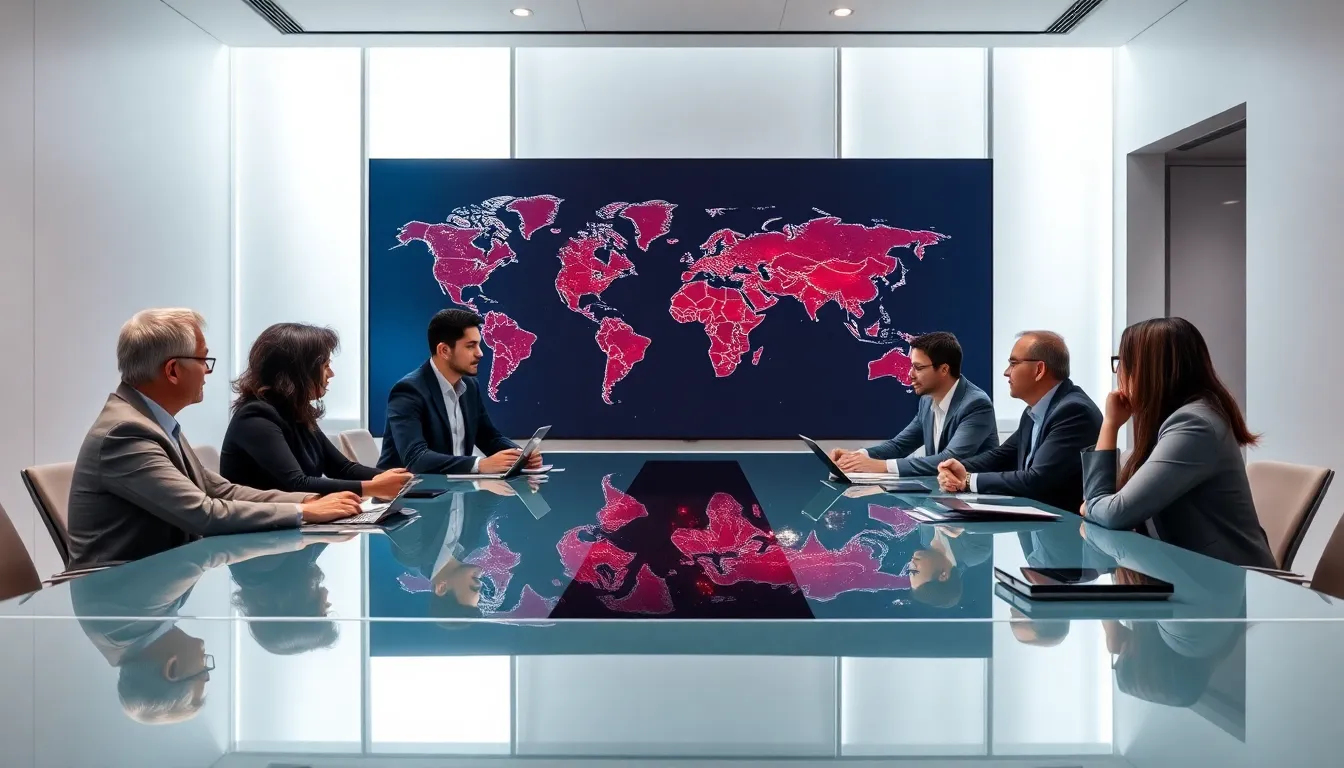
Global affairs encompass the various interactions and relationships between countries, communities, and organizations around the globe. They influence diplomatic relations, economic policies, and cultural exchanges. To define global affairs is to recognize the multifaceted nature of international interactions, think diplomacy, trade, security, and climate issues all intertwined like a fancy braid.
To put it simply, global affairs are about understanding how countries work together and against each other. They reflect the shifting sands of power relations and emerging global challenges that require collective action. Whether it’s negotiating for peace or fostering economic ties, global affairs shape the way societies function on a worldwide stage.
Historical Context of Global Affairs
The roots of global affairs can be traced back through time, from ancient alliances to modern-day treaties. History teaches that nations have always interacted, sometimes lovingly, often with skepticism. Trade routes of antiquity laid the groundwork for cultural exchanges, while wars spawned treaties that defined borders and shaped nations.
Key events, like the Treaty of Westphalia in 1648, laid the foundation for the nation-state system that we see today. This historic treaty, which ended the Thirty Years’ War in Europe, marked a shift towards recognizing state sovereignty. Also, the establishment of the United Nations in 1945 aimed to foster dialogue and prevent global conflicts. Through these lenses, history provides a context for understanding the complexities of global affairs today.
Key Components of Global Affairs
Several key components contribute to the overarching framework of global affairs. Firstly, diplomacy plays a crucial role in promoting peaceful relations, establishing treaties, and addressing conflicts. Think of diplomats as the world’s peacekeepers, working tirelessly behind the scenes to forge agreements.
Secondly, international trade significantly influences global economics. Trade agreements help the exchange of goods and services, fostering prosperity across borders. Besides, human rights advocacy highlights the importance of international law, ensuring that basic rights are upheld, no matter where one is from. Finally, environmental issues spark global cooperation, as climate change knows no borders and affects every nation on Earth. These components are interlinked, creating a web of interactions that define global affairs.
The Role of International Organizations
International organizations serve as vital platforms for fostering cooperation among nations. The United Nations is perhaps the most well-known, tackling issues ranging from humanitarian crises to peacekeeping. It exemplifies a collaborative effort, bringing together countries to seek common solutions to global challenges.
Other organizations, like the World Trade Organization (WTO) and the North Atlantic Treaty Organization (NATO), also play critical roles in maintaining international order. The WTO regulates trade agreements and promotes fair competition, while NATO focuses on collective defense. These organizations help dialogue, encourage collaboration, and create structures for addressing complex global issues, underscoring their significance in global affairs.
Impact of Globalization on Global Affairs
Globalization has revolutionized global affairs, breaking down barriers that once isolated nations. The rapid flow of information, goods, and people across borders has reshaped relationships. As countries interlink economically and culturally, they also face new challenges.
This interconnectedness can lead to increased cooperation, yet it can also spark tensions as nations navigate competing interests. For instance, economic dependency on foreign markets can lead to vulnerabilities in times of crisis. Likewise, cultural exchanges may result in misunderstandings or clashes. So, globalization acts as both a catalyst for collaboration and a source of complexity in global affairs.
Challenges in Global Affairs Today
Navigating global affairs today is akin to walking a tightrope. On one side, nations grapple with issues like climate change, terrorism, and economic inequality. On the other, they contend with the rise of nationalism and populism that challenges traditional diplomatic norms.
Also, technology’s impact cannot be overstated. Cybersecurity threats expose vulnerabilities that nations must address together. Trade wars and sanctions stir unrest, causing rifts between allies. These challenges require innovative approaches to diplomacy and collaboration, as the stakes are higher than ever in our interconnected world.
The Future of Global Affairs
The future of global affairs is uncharted territory, filled with both hopes and uncertainties. Analysts suggest that as the world becomes increasingly connected, the need for collaborative solutions will intensify. Global issues, such as climate change and public health crises, will demand collective action and shared responsibility.
Emerging technologies may offer new avenues for diplomacy, enabling real-time communication and problem-solving across borders. Conversely, the escalation of geopolitical tensions could make collaboration more challenging. Navigating this landscape requires adaptability, foresight, and a commitment to understanding the complexities of global interactions. The future will undoubtedly bring both opportunities and hurdles, shaping the very fabric of global affairs.